CTF · Competition
MetaCTF 2026: The One That Got Away
A day of web challenges, endless 403s, a last-minute flag, and a free shirt.
you can sleep when you're dead

Hey, I'm Ammar, a cybersecurity student.
But you'll probably find me at midnight building a random project that has absolutely nothing to do with my major.
Why? Good question. But here's a better one: Why not?
I see a random video, get curious, learn how something works, build it, and sometimes never touch it again.
The goal was never to make life easier.It was to make it a little more interesting.

a few open tabs in my head...
MAIN QUEST
In Progress...Working my way through the penetration testing path.
SIDE QUEST 01
Building the website you're looking at right now.
SIDE QUEST 02
Reading (and overthinking it).
CTF · Competition
A day of web challenges, endless 403s, a last-minute flag, and a free shirt.
Books · Review
A few thoughts on Meursault, absurdism, society, and why this strange book stayed with me.
Books · Review
A powerful story about discipline, accountability, and pushing past your limits. Some parts really stuck with me, while others felt repetitive.
CTF · Writeup
My first TryHackMe writeup, from enumeration and finding credentials to collecting Rick's three ingredients.
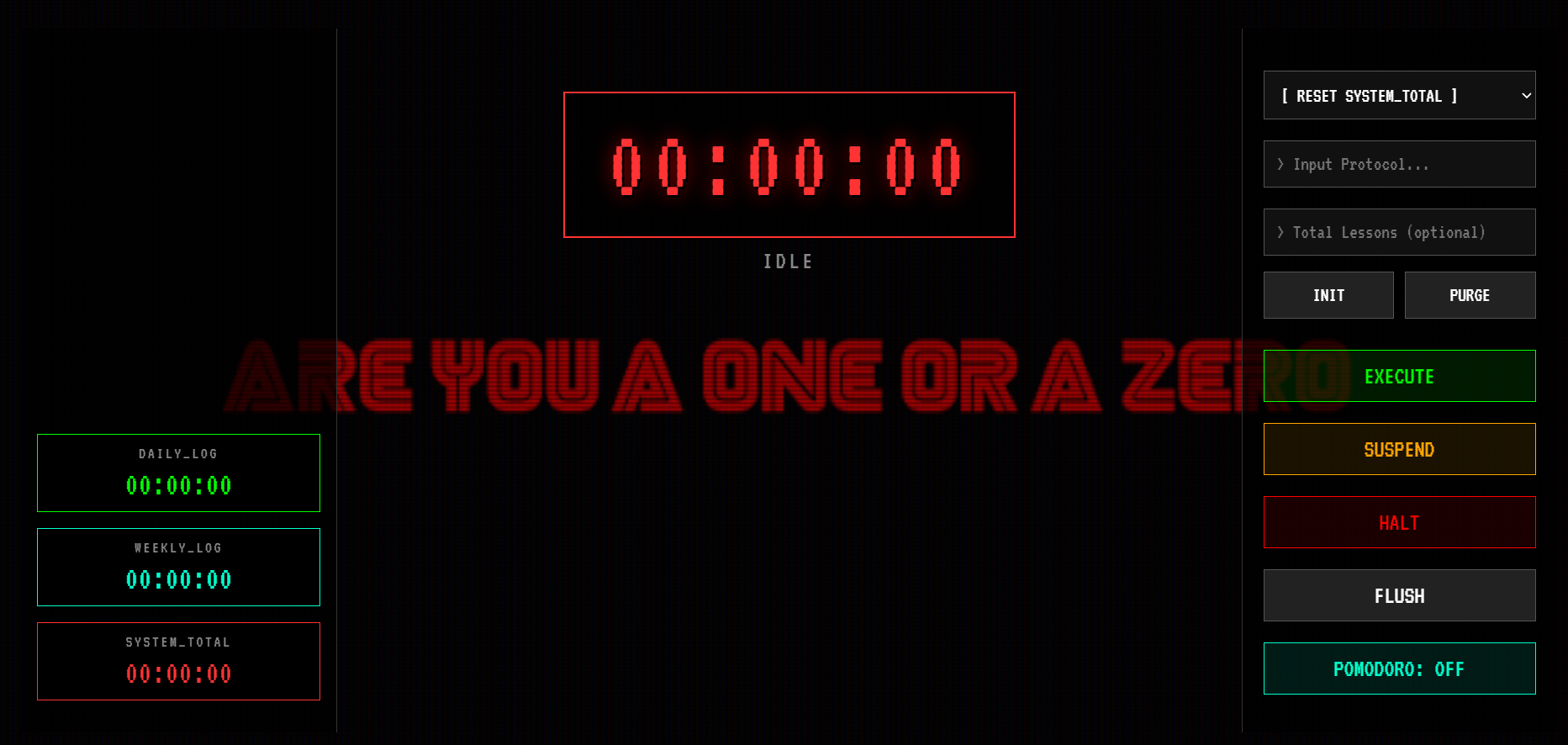
A retro-style study timer that grew into a study tracker with topic progress, analytics, Pomodoro reminders, and a YouTube playlist planner.
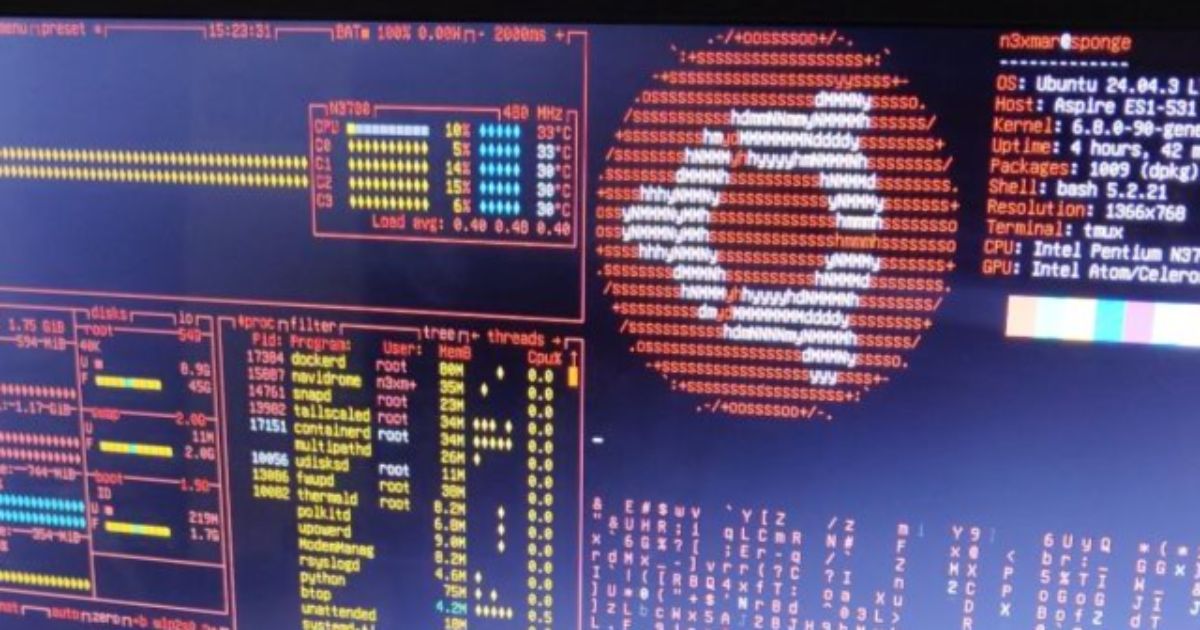
An old laptop turned into a self-hosted music server and media center using Ubuntu Server, Python, and Docker.
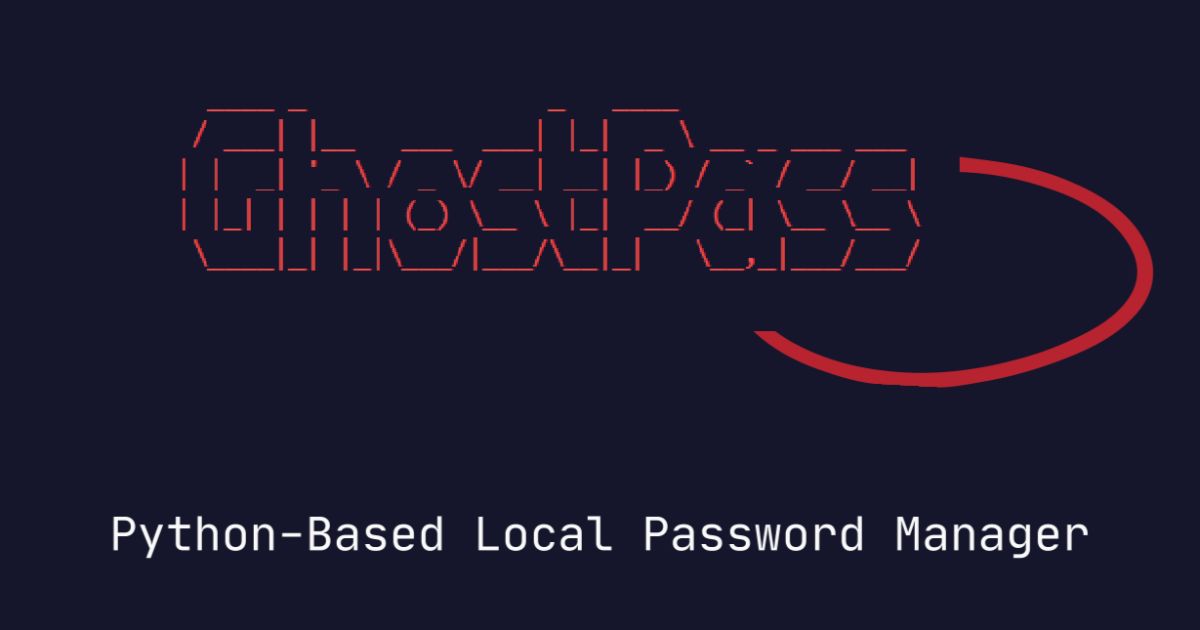
A Python CLI password manager prototype with SQLite storage, password generation, and RockYou wordlist checks.
This learning path helped me build a stronger foundation in web application security, from understanding how HTTP and web applications work to identifying and exploiting common vulnerabilities.
Through the hands-on labs, I practiced web enumeration, working with Burp Suite, and exploring vulnerabilities such as SQL Injection, XSS, and IDOR.
Alongside TryHackMe, I also studied Ibrahim Hegazy’s Web Application Penetration Testing course on YouTube to deepen my understanding of web attacks and the concepts behind them.
Additional Learning Resource: Ibrahim Hegazy – Web Application Penetration Testing
I completed this learning path around my 20th birthday, making it a personal milestone in my cybersecurity journey.
The path gave me hands-on experience in network enumeration and scanning, web application vulnerabilities using Burp Suite, and privilege escalation on both Linux and Windows.
Privilege escalation was easily my favorite part, especially because I started learning it from scratch. The labs were challenging and sometimes frustrating, but they pushed me to think more independently, troubleshoot problems, and develop a better understanding of penetration testing methodologies.
More than just completing another learning path, this experience strengthened my interest in offensive security and motivated me to keep going deeper into penetration testing.
This was the fifth course I completed in Dr. Mohammed Abu-Hadhoud’s programming roadmap, following the foundations of programming, C++, and problem-solving.
The course focused on strengthening my logical thinking through 50 programming challenges of increasing difficulty. It helped me practice breaking down problems into smaller parts, recognizing patterns, and writing cleaner, more organized C++ code.
What I appreciated most about this learning journey was the emphasis on understanding the problem before writing code. It taught me that programming isn’t just about knowing syntax, but about developing the ability to think through problems and find solutions independently.
These fundamentals have continued to be useful as I explore cybersecurity and build my own projects.
A hands-on introduction to cybersecurity, covering networking, Linux, Windows, web fundamentals, and essential security tools like Nmap, Burp Suite, and Wireshark. The practical labs helped me turn theoretical concepts into real experience.
I participated in TryHackMe’s Advent of Cyber 2025 from the very first day, completing all 24 daily cybersecurity challenges throughout December.
The event covered a wide range of topics across offensive and defensive security, giving me the opportunity to practice different skills through hands-on exercises.
I also managed to solve one of the hidden Side Quests, which added an extra challenge beyond the main event.
It was a fun way to stay consistent, explore different areas of cybersecurity, and learn something new every day.
My starting point in cybersecurity. This learning path introduced me to the fundamentals of networking, how the web works, and basic cybersecurity concepts.